
The Great Timing Debate: Does It Actually Matter?
Ask five yoga teachers when you should practice and you will likely get five different answers. Some will insist on sunrise, quoting ancient texts. Others will tell you that consistency beats timing every single time. The truth, as with most things in wellness, sits somewhere in the middle - and it leans heavily on your life, not a universal rule.
If you live in Bangalore or Mumbai, your mornings might look nothing like someone in a quieter town. If you have school-age kids, your 6 AM belongs to lunchboxes, not Surya Namaskars. If you work late shifts, an evening practice might be the only quiet window you get all day. This guide is not about the perfect practice - it is about a sustainable one.
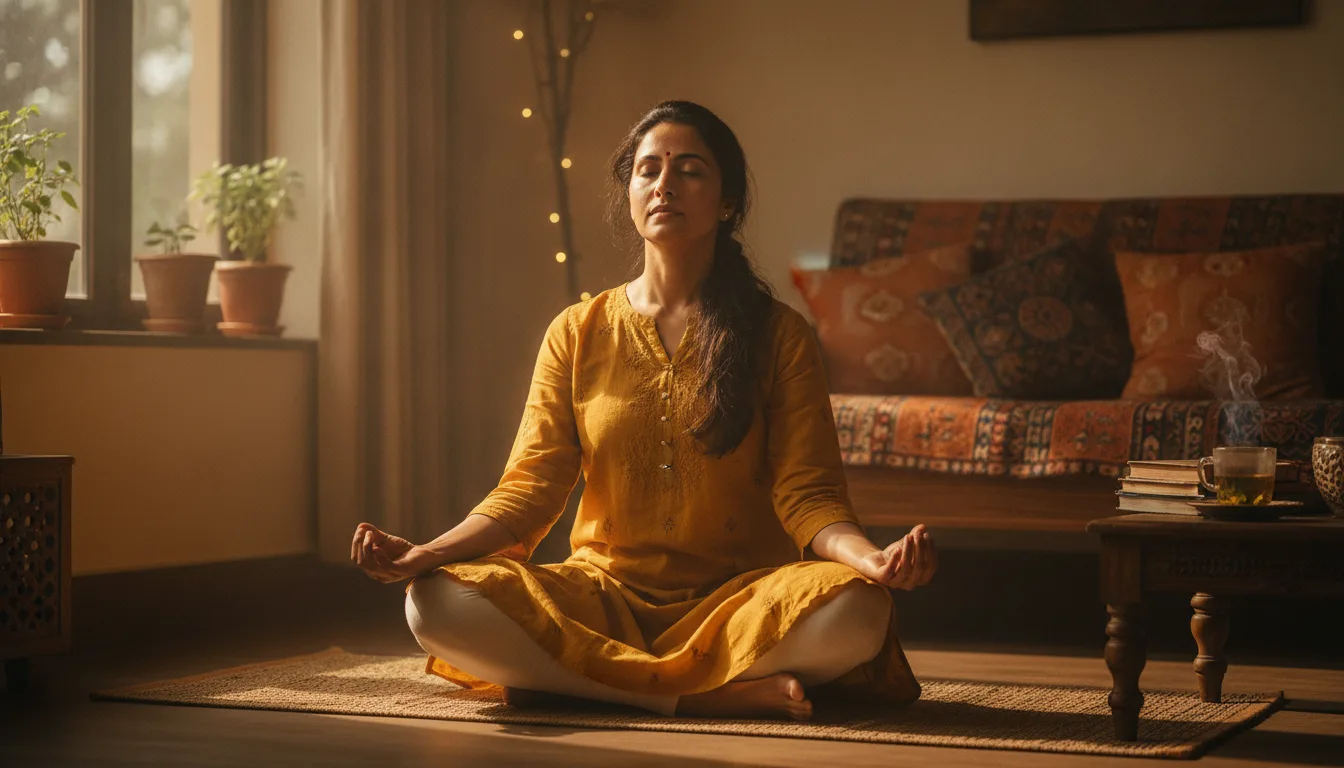
What Morning Yoga Actually Feels Like
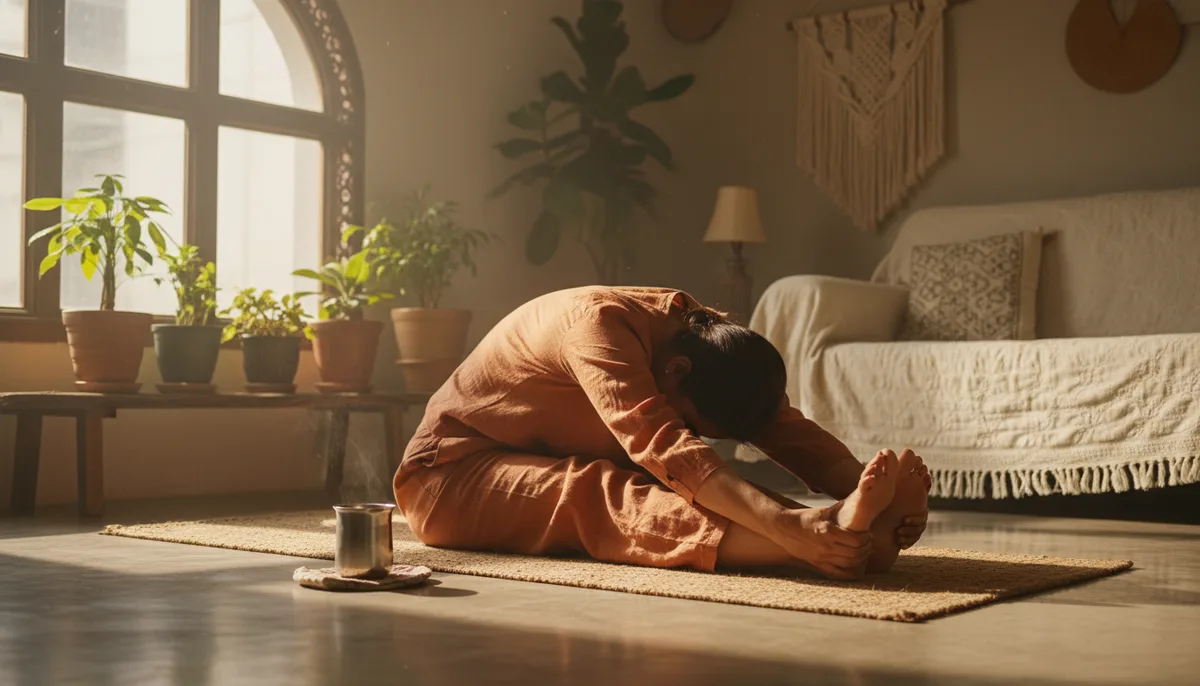
There is something genuinely special about practicing before the day takes over. The house is quieter. Notifications have not started yet. Your mind is not yet carrying the weight of seventeen unread emails.
Physiologically, mornings come with their own texture. Your body is slightly stiffer after a night of rest, especially if you sleep on a thin mattress or have a long commute history behind you. This is normal. It does not mean morning yoga is wrong for you - it just means you need to ease in more gently. A few minutes of slow joint rotations before any standing or seated postures can make a world of difference.
The case for morning practice
- It sets a calm baseline for the day. Even a 10-minute session before chai can shift how you respond to stress later.
- Fewer interruptions. Most of India's WhatsApp groups have not woken up yet at 6 AM.
- You do not have to think about it later. Once it is done, it is done - no negotiating with yourself at 9 PM after a tiring day.
- Fasted movement suits many people. Light yoga on an empty or lightly filled stomach tends to feel cleaner than practicing after a heavy meal.
The honest challenges of morning practice
- Stiffness is real, especially in knees, hips, and the lower back. Skipping warm-up because you are short on time is where injuries begin.
- Winters in North India, or early monsoon mornings in coastal cities, can make leaving the bed feel genuinely difficult.
- If you are not a natural early riser, forcing a 5:30 AM alarm for months rarely ends well. Willpower has a shelf life.
What Evening Yoga Actually Feels Like
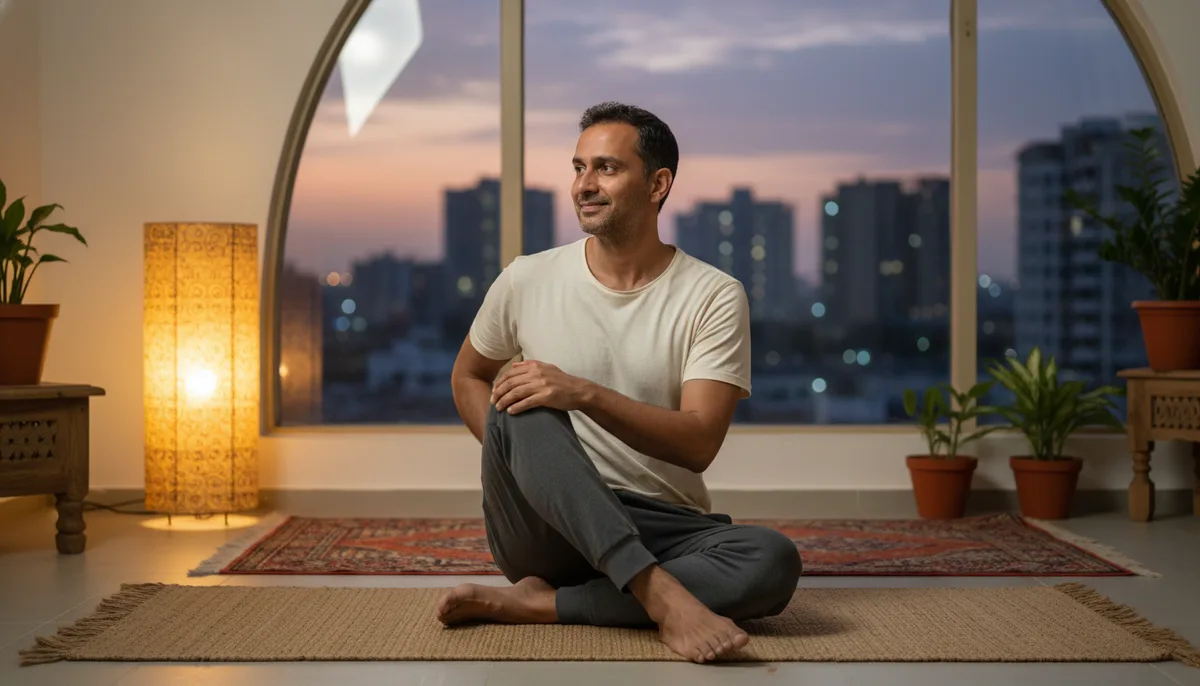
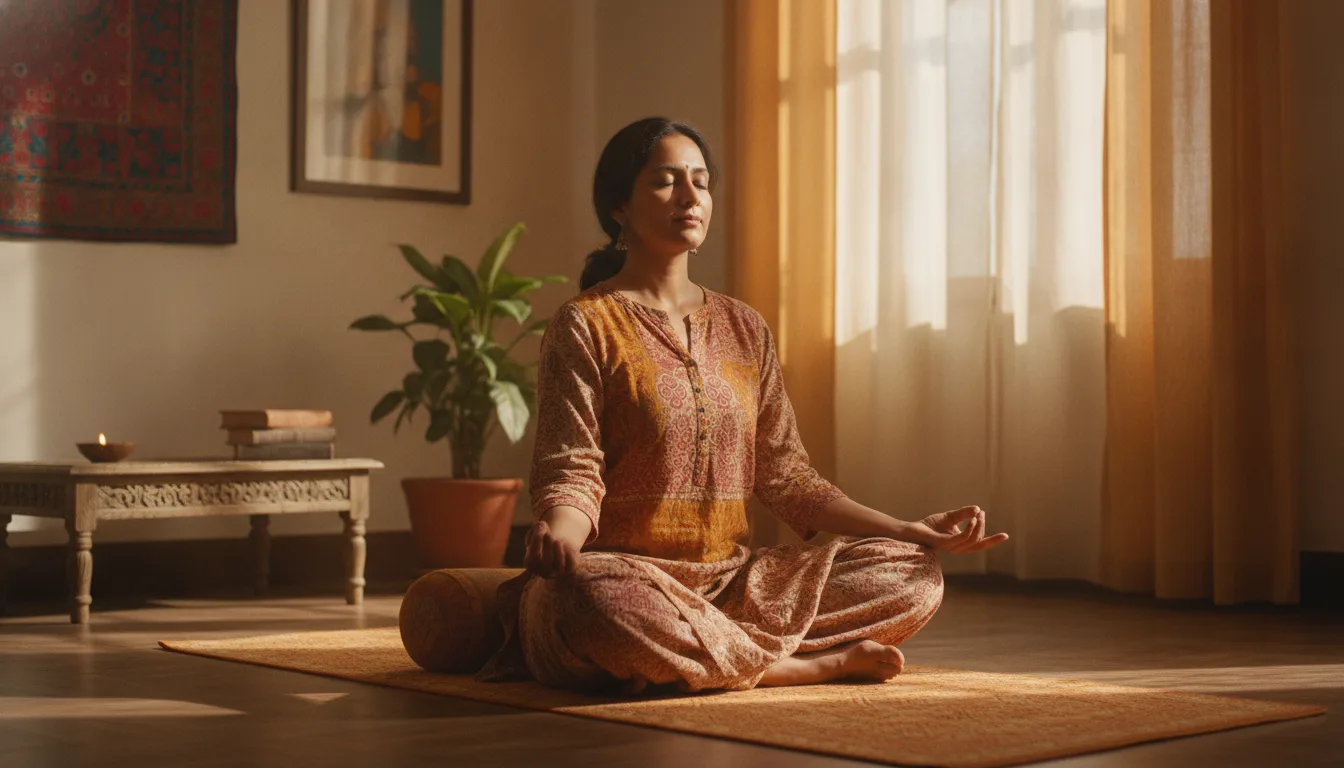
By 6 or 7 PM, your body has been moving for hours. Muscles are warmer, joints are more pliable, and you can often go deeper into poses with less effort. Physiologically, your body temperature peaks in the late afternoon, which means flexibility tends to be at its highest.
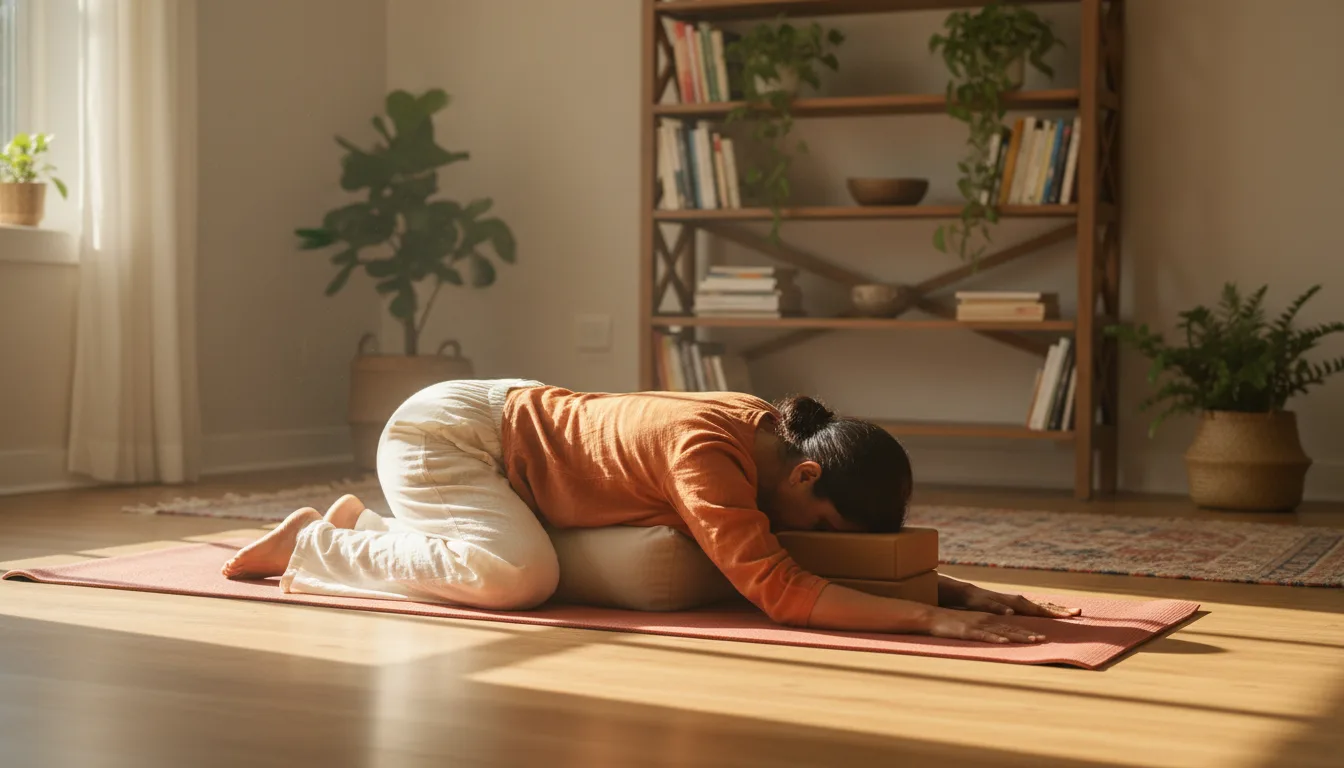
Evening yoga also serves a different purpose. Where morning practice primes you for the day ahead, evening practice helps you decompress from the one you just lived through. Forward folds, gentle twists, and restorative postures feel especially nourishing after a day of sitting at a desk or navigating a crowded city.
The case for evening practice
- Your body is ready. Less warm-up needed, greater range of motion available.
- It doubles as a wind-down ritual. A calm practice before dinner or bedtime signals to your nervous system that the workday is over.
- More flexibility in duration. Evenings often allow for a longer, unhurried practice without a hard deadline looming.
- Better for recovery. If you do any other physical activity - walking, cycling, gym - an evening yoga session can help ease soreness and restore balance.
The honest challenges of evening practice
- Fatigue is the biggest enemy. After a long day, the couch often wins.
- Family life tends to cluster in the evenings. Dinner prep, kids' homework, extended family calls - evenings in Indian households are rarely quiet.
- Stimulating practices like strong backbends or energizing sequences too close to bedtime can interfere with sleep for some people.
Seasonal Rhythms in India Change the Equation

India's seasons are not subtle. They are full-bodied and they affect your practice more than most people acknowledge.
During summer months (March through June in most of India), early mornings are often the only bearable time to move. By 8 AM in Chennai or Delhi, the heat is already telling you to slow down. A short, grounded morning practice before the temperature climbs is genuinely the kinder choice for your body.
During the monsoon, the grey skies and persistent humidity can make mornings feel heavy and demotivating. Many people find that a mid-evening practice, when the rain has settled into a gentle pattern, becomes something they actually look forward to - a ritual that holds the season gently.
Winter mornings in cities like Pune, Lucknow, or Chandigarh are cold enough to warrant extra care. If you do practice in the morning, add layers, warm up with breath work first, and do not rush into deep stretches while your muscles are still chilly.
How to Choose What Works for You
Here is a simple framework instead of a prescription.
- Look at your existing anchor habits. Do you already have a morning ritual - chai, journaling, a walk? Morning yoga can attach to that. Do you already unwind in the evenings with reading or music? Evening yoga can slot in there.
- Try both for one week each. This is not about willpower - it is data gathering. Notice how your body feels, how your focus holds, whether you are skipping sessions.
- Choose the time you miss less often. Not the time that sounds better in theory. The one you actually show up for.
- Protect your chosen window like a meeting. Tell family members. Put it in your calendar. Treat it as a non-negotiable appointment with yourself.
If you want a guided structure to experiment with, the Grihasana Premium plan offers sessions you can do in as little as 10 minutes, making it easier to test both time slots without committing to a long practice from day one.
A Word on Midday Practice
Nobody talks about this enough: midday yoga is underrated. If you work from home - and many people in India do, fully or partially - a 20-minute practice after lunch can reset your afternoon completely. It is not glamorous. It does not align with any particular tradition. But it works, and it is easier to sustain than either a 5:30 AM alarm or a 9 PM willpower battle.
Short midday sessions - a few standing poses, a forward fold, a five-minute Savasana - can reduce the afternoon slump that creeps in around 2 PM. Try it for a week before dismissing it.
The One Thing Both Camps Agree On
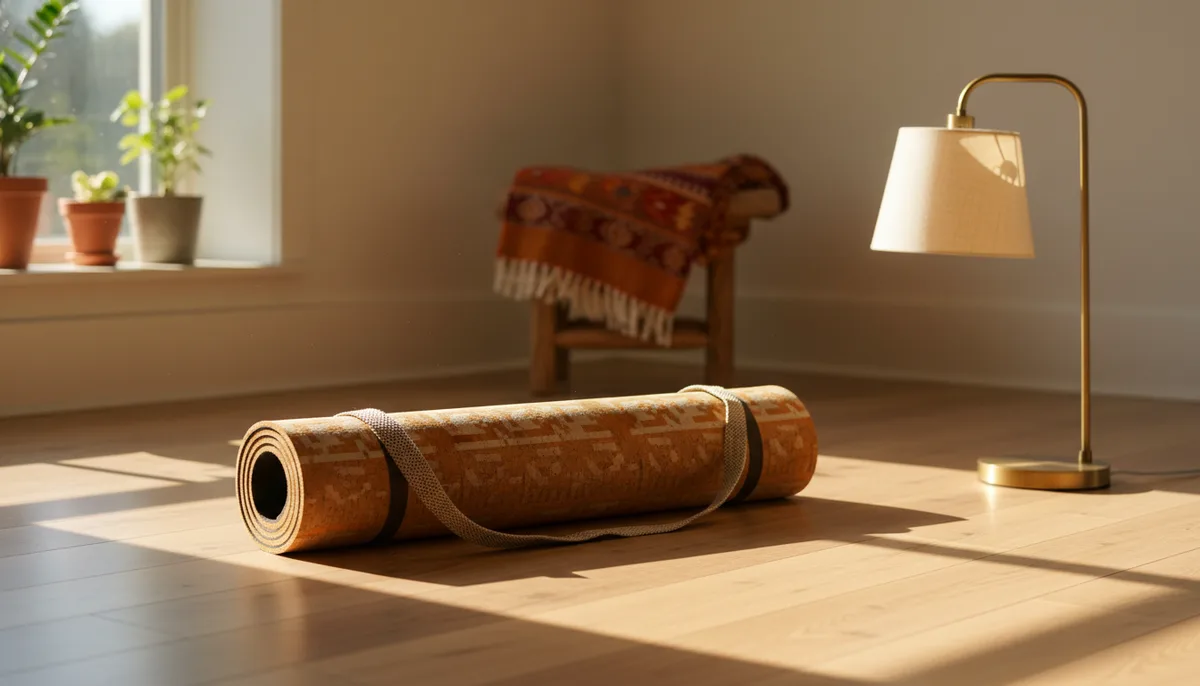
Every experienced practitioner, regardless of when they practice, says the same thing eventually: regularity matters more than timing. A consistent 15-minute evening practice done five days a week will build a stronger foundation than a perfect 60-minute morning session done once in a while.
Your body learns through repetition. Your nervous system settles into rhythms. The mat becomes a cue. Over weeks, you will notice that whatever time you chose starts to feel natural - almost anticipated - in a quiet, undramatic way. That is what a home practice is supposed to feel like.
Getting started with a plan that fits your schedule is one of the best ways to lock in that rhythm. Whether you are a morning person testing the waters or an evening practitioner looking for structure, Grihasana Premium gives you short, guided sessions built for real Indian home life - no studio required, no equipment needed, no pretending your calendar is empty.
Pick your time. Show up. The rest follows.